Transform Your Space With Our Professional Remodeling Company Services
Transforming a space can markedly enhance both usable features and design beauty. Skilled remodeling firms offer a combination of quality craftsmanship and innovative design. These services simplify the remodeling process, guaranteeing low anxiety for homeowners. Comprehending the various aspects involved is vital. What steps should one take to secure a successful transformation? The answers might lead to unexpected insights and valuable considerations.
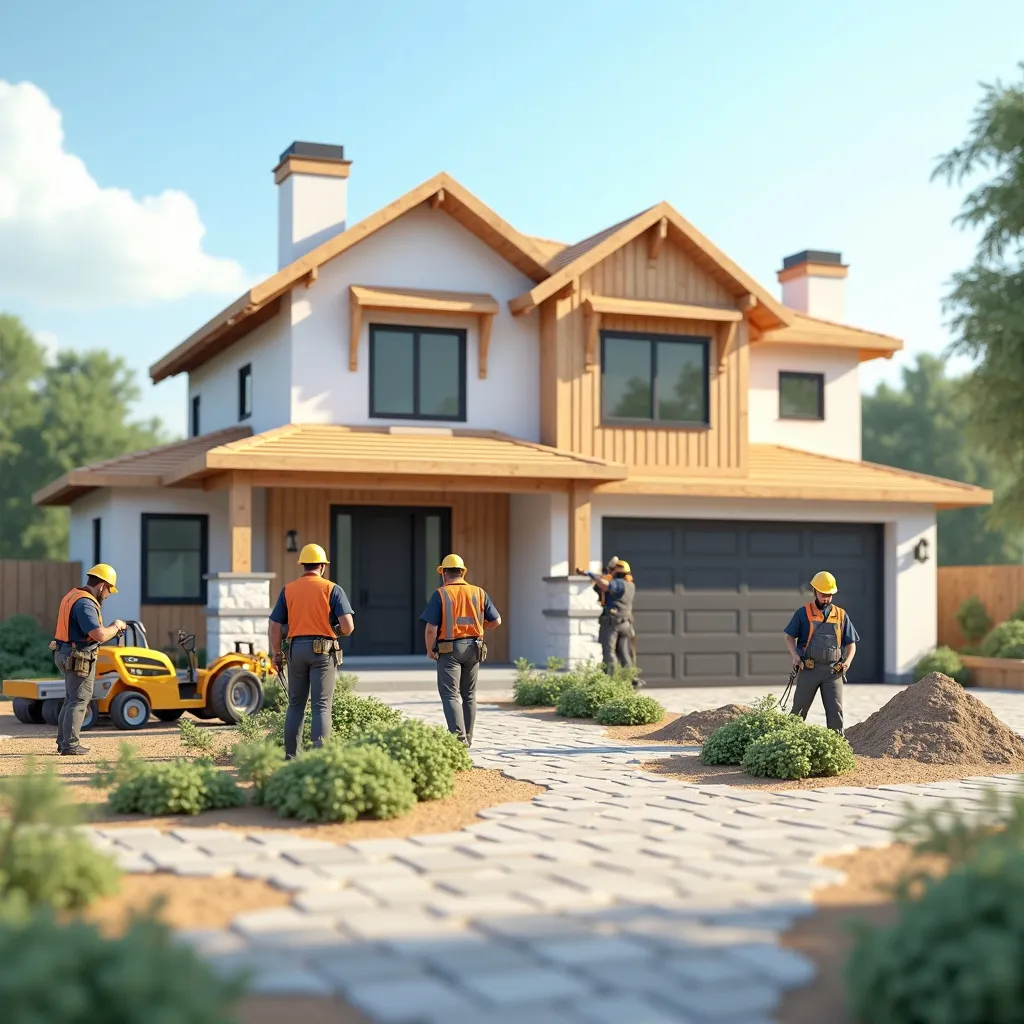
The Value of Qualified Remodeling Services
When property owners opt to upgrade their home environments, they often discover that professional remodeling services deliver substantial benefits. Employing professionals in the sector guarantees superior workmanship that meets industry standards. These experts possess the necessary abilities and experience to manage intricate projects, minimizing the potential of costly blunders that DIY attempts might create.
Furthermore, expert contractors introduce creative design concepts that can reshape a space in ways homeowners may not visualize. They stay updated on the current trends and technologies, which can markedly enhance performance and visual appeal. Moreover, using professional services often expedites the process, as these professionals handle everything from planning and permits to execution and inspections.
Finally, hiring experienced renovation experts not only elevates the standard of the renovation but also reduces stress for homeowners, allowing them to enjoy the transformation of their living spaces without undue hassle.
Learning About the Remodeling Process: What Should You Expect?
Comprehending the remodeling process is vital for property owners evaluating a project. This progression often begins with an initial consultation, followed by detailed design and planning periods. Ultimately, the construction timeline outlines the steps from commencement to finish, guaranteeing clarity during the endeavor.
Initial Consultation Steps
How does one navigate the often intricate world of home improvement? The first meeting acts as a key first step in this process. During this meeting, clients engage with experts to discuss their goals, financial considerations, and schedule. The renovation company typically implements a in-depth assessment of the current space, documenting structural elements and any possible challenges. This is also a moment for clients to seek clarification and clarify any uncertainties about the process. The experts provide insights based on experience, facilitating clients establish their needs and desires. Ultimately, this meeting creates the foundation for a successful remodeling project, ensuring both parties are aligned before moving forward into the subsequent phases of design and planning.
Creation and Planning Phase
The design and planning process transforms foundational concepts into tangible blueprints. During this fundamental process, clients work alongside with design professionals to specify their vision, preferences, and utilitarian needs. Key elements involve selecting substances, shades, and layouts that align with the overall aesthetic and intent of the room. Design professionals apply advanced software to create thorough visualizations, helping clients to perceive the project before construction begins. Budget considerations also play an crucial position, as designers aid in prioritizing attributes and materials to remain within financial constraints. Throughout this phase, honest discussion guarantees that all involved parties are on the same page, reducing disagreements. Ultimately, this meticulous planning establishes the foundation for a successful remodeling project, paving the way for an resourceful and organized construction process.
Construction and Completion Roadmap
What could one anticipate during the construction and completion timeline of a renovation undertaking? To begin, the process commences with site preparation, incorporating demolition and clearing. This phase can vary in duration depending on the project's scope. Following this, the building phase commences, incorporating framing, plumbing, and electrical work. This stage often takes the most duration, as it demands precision and full article adherence to safety standards. Once the foundational components are in place, final details such as drywall installation, flooring, and painting are completed. Ultimately, a thorough inspection guarantees all work meets regulatory standards and the homeowner's expectations. Overall, a remodeling project typically spans several weeks to months, based on complexity, enabling homeowners to visualize their transformed space step by step.
Tips for Finding the Ideal Remodeling Firm
Selecting the appropriate remodeling company can greatly impact the result of a home renovation project. Homeowners should start by researching prospective companies, concentrating on their experience, areas of expertise, and previous projects. Online ratings and feedback can offer valuable insights into the company's standing. It's essential to confirm qualifications, including permits and insurance, to guarantee adherence with local regulations.
Next, property owners should obtain several estimates to evaluate prices and services, encouraging transparency in what is included. Communication is another vital factor; a company that heeds its clients and responds promptly establishes a positive working relationship.
Ultimately, assessing the firm's portfolio can reveal their aesthetic approach and craftsmanship quality. By thoroughly evaluating these factors, homeowners can make an well-reasoned choice, ultimately resulting in a successful renovation that matches their vision and budget.
Best Beneficial Renovation Projects for Your Property
Homeowners frequently look for valuable remodeling projects to improve both practicality and visual appeal. One of the most popular upgrades is the kitchen renovation, which can increase property worth and create a more inviting space for family gatherings. Upgrading bathrooms is another high-impact project; modern fixtures and efficient layouts can significantly enhance coziness and visual appeal.
In addition, constructing or upgrading exterior areas, such as decks or patios, expands livable space and encourages outdoor enjoyment. Completed basement areas also function as versatile spaces, offering options for entertainment, residential workspaces, or visitor lodging.
Energy-efficient improvements, including new windows and insulation, not only improve comfort but also lower utility costs, making them a smart investment. Finally, open floor plans have become increasingly favored, fostering a sense of space and connectivity. Each of these projects can significantly transform a home, offering homeowners both immediate enjoyment and long-term value.
Your Home Remodeling Upgrade Financial Planning Guide
Budgeting for a home remodeling transformation requires careful planning and transparent financial goals. Homeowners should proceed by evaluating their aggregate spending limit, accounting for their economic means and desired outcomes. It is essential to contrast between needs and wants, prioritizing projects that strengthen operational efficiency and property worth.
Next, getting comprehensive estimates from contractors can offer realistic estimates for workmanship and supplies. Including a emergency reserve—typically 10-20% of the total budget—can assist in covering unexpected expenses that may arise during the remodeling process.
Moreover, property owners should consider funding alternatives, including home equity loans or personal loans, to ensure that they can handle costs effectively. By establishing a well-defined budget and tracking expenditures throughout the project, property owners can achieve a successful transformation without financial strain. Ultimately, careful budgeting forms the foundation for a rewarding remodeling experience.
Current Styles in Home Remodeling Design
Current trends in home renovation aesthetics highlight sustainable practices, demonstrating a increasing consciousness of environmental impact. Open concept living remains increasingly popular, fostering a sense of spaciousness and connection between areas. Additionally, intelligent home technology is transforming how residents engage with their living environments, improving convenience and efficiency.
Sustainable Design Practices that encourage environmental responsibility
An increasing number of homeowners are adopting environmentally conscious design strategies in their remodeling projects, reflecting a broader movement towards eco-consciousness. These practices emphasize environmentally safe materials, power-conserving systems, and water conservation strategies. Homeowners are increasingly using recycled or locally sourced materials, lowering their carbon footprint while elevating visual appeal. Incorporating energy-efficient appliances and solar panels not only cuts utility bills but also aids a sustainable lifestyle. Additionally, natural lighting solutions, such as skylights and larger windows, are increasing in use, supporting both energy efficiency and well-being. This trend towards sustainability not only benefits the environment but also increases property value, making homes more appealing to future buyers. Ultimately, sustainable design practices symbolize a innovative approach to contemporary remodeling.
Spacious Concept Living
Open concept living has developed as a popular trend in home renovation, attracting to homeowners desiring spacious, multifunctional layouts. This design method removes dividers between key areas, such as the kitchen, dining, and living spaces, fostering a sense of unity and flow. By removing walls, homeowners can design spaces that encourage social interaction and maximize natural light. This trend also provides greater flexibility in furniture arrangement, supporting various activities and gatherings. With functional focus, open concept layouts can improve the overall appearance of a home, making it feel more expansive and inviting. Consequently, this design remains a preferred choice for modern homeowners seeking to optimize their living spaces.
Smart Home Integration
Leveraging technology, homeowners increasingly emphasize smart home integration in their renovation undertakings. This trend reflects a growing desire for convenience, energy efficiency, and improved security. Smart home solutions, such as automated illumination, thermostats, and security systems, can seamlessly blend into modern designs, offering adjustable control through smartphones or voice directions.
Homeowners are further integrating smart appliances that improve daily living, from refrigerators that supervise groceries to ovens that can be preheated remotely. This merger not only strengthens capability but also increases property value. As remodeling companies adapt to these advancements, they provide bespoke solutions that fulfill individual needs, building spaces that are both stylish and technologically advanced. Smart home integration is no longer a indulgence; it is now a standard expectation in contemporary remodeling.
Securing Quality and Peace of Mind in Your Remodel
Quality and pleasure are paramount in any restoration project, as homeowners seek not only useful upgrades but also aesthetic improvements. An successful remodeling company values expertise, deploying skilled professionals who know the modern design trends and materials. By implementing rigorous quality control protocols, they guarantee that every aspect of the project meets stringent standards.
Communication functions as a critical element in achieving client contentment. Ongoing communications and openness about schedules and financial limits generate assurance and allow homeowners to convey their preferences. Input systems, like surveys and subsequent conversations, enable the company to tackle any problems rapidly.
Furthermore, a commitment to using sturdy materials leads to enduring results, enhancing the overall value of the home. Ultimately, a triumphant remodeling experience copyrights on a combination of quality workmanship, clear communication, and a concentration on the client's vision, producing spaces that please homeowners for years to come.
Regularly Asked Queries
How Much Time Does My Renovation Project Need to Complete?
How long a remodeling project requires depends on its scope, intricacy, and chosen materials. Generally, homeowners can plan for timelines spanning a few months to many months, according to the particular requirements of the remodel.
Am I Able to Live in My Home During the Remodel?
Yes, residents may often reside in their homes during a renovation, though it could be inconvenient. Certain areas may be off-limits, and noise, dust, or disruptions can transpire, impacting daily routines and comfort.
Do You Offer Warranties on Your Home Renovation Services?
Yes, the company does provide warranties on their renovation work. These warranties ensure that customers get superior workmanship and materials, providing confidence and safeguard against possible problems arising after the project's completion.
What Licenses Are Needed for My Renovation Job?
Permits required for renovation activities differ depending on area and scope. Generally, construction permits, wiring permits, and pipe permits may be required. Reviewing local regulations ensures adherence and prevents possible fines or project delays.
What's Your approach to Managing Surprise Issues During Remodeling?
Unforeseen challenges throughout remodeling are addressed through proactive dialogue and problem-solving. The crew assesses the circumstances, discusses alternatives with the client, and executes fixes quickly to reduce setbacks and ensure ongoing progress.